Thunder VPN - Fast, Safe VPN
- 4.8
- Rating
- 100.00M
- Installs
- Free
- Price

 Analysis by App-foxy
Thunder VPN - Fast, Safe VPN is the kind of tools app that makes a strong first impression because it removes most of the ceremony from connecting to a VPN. I installed it expecting a simple switch and found an experience aimed at people who want to secure a connection quickly without learning much about VPN settings first. That simplicity is its main attraction, but it also explains where the app feels limited once the novelty wears off.
In my experience, the app is easiest to judge as a daily utility rather than a complete privacy system. It can be useful when I am on unfamiliar Wi-Fi, when I want to change my apparent location for ordinary browsing, or when I need a quick encrypted tunnel without spending time comparing technical options. It is free to start, rated for Everyone, and developed by Secure Signal Inc., which makes it approachable for a broad audience. The more important question is whether it deserves a permanent place on your phone after the first week. For me, the answer depends heavily on how demanding you are about control, consistency, and transparency.
Why the first week feels so easy
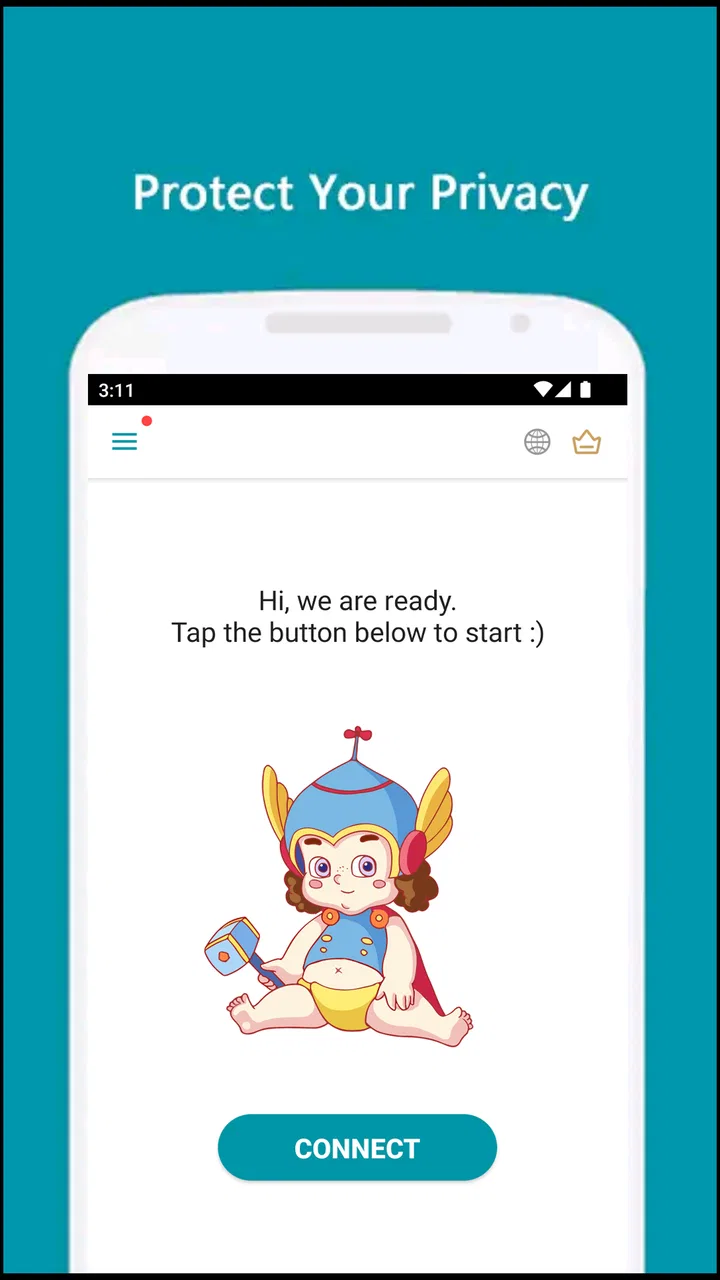
The opening appeal is immediate: Thunder VPN presents itself as a fast connection tool instead of asking me to become a network administrator. The store summary focuses on connecting around the world in a second, and the overall design follows that promise by keeping the basic action obvious. Someone who has never used a VPN can understand the central workflow quickly: open the app, choose a connection when needed, and return to normal browsing when finished.
You May Also Like

 Pandora - Music & Podcasts
Pandora’s Music Is Easy to Start, but Harder to Recover
Pandora’s strength is its low-effort path from a seed to a station. Its weak spot is how much confidence it asks you to place in connection, setup, and quiet recovery.

 8 Ball Pool
 Is Built on Rivalries, Rematches, and Routine
A close look at the rivalries, rematches, shared routines, and unanswered safety questions that turn a quick pool match into a persistent mobile community.

 Samsung Music
’s Quiet Strength Is Playing What You Already Own
Its reach comes less from spectacle than from dependable access to a personal library. That simplicity is both the app’s strongest retention engine and its ceiling.

 AccuWeather: Weather Radar
AccuWeather Review: A Quick, Clear Forecast for Everyday Decisions
For everyday plans, the best forecast is the one you can understand quickly. AccuWeather makes rain timing, radar, and local conditions easy to act on, with a few trade-offs.

 Hill Climb Racing
Why Hill Climb Racing Still Turns Crashes Into One More Run
A tiny car, a bumpy hill and one more upgrade: Hill Climb Racing keeps resurfacing because its simple chaos makes every near-miss feel personal.

 AliExpress - Shopping App
AliExpress Makes Global Shopping Feel Personal, but Shoppers Bear the Risk
AliExpress turns a global marketplace into a pocket-sized discovery engine. Its reach is useful, its shopping loop compelling, and its trade-offs easy to miss.
More From Our News Desk
View All News


That low learning curve matters in real life. Imagine sitting in a café before checking a work dashboard or signing in to an account. I do not want to compare protocols or inspect a long list of technical settings at that moment. A quick VPN app is valuable precisely because it turns a security habit into a small interruption rather than a project. Thunder VPN is well suited to that situation, especially for users who would otherwise ignore VPN protection altogether.
The app’s popularity gives it a reassuring first impression too. It has an average rating of 4.8 from around 1.8 million ratings, with roughly 66 thousand written reviews and over 100 million installs. Those figures do not prove that every connection will be ideal, but they show that the product has become familiar to a very large Android audience. I would still treat popularity as a starting point, not a substitute for deciding whether its approach matches my own needs.
Another reason it feels friendly is the pricing entry point. The app is free, so I can test the basic experience without committing money first. That is useful for occasional users who only need a VPN during travel or on public networks. The trade-off is that in-app purchases range from $1.99 to $59.99 per item, so I would pay attention to what an upgrade changes before assuming that a purchase automatically solves every limitation.
Useful habits during everyday browsing
I found the best way to use it was to connect before opening the activity that actually needs protection, rather than leaving the app as an afterthought. For example, if I am about to use public Wi-Fi to read private messages, access a personal account, or handle a document, I can make the VPN check part of the same routine as checking the network name. That habit is more valuable than installing the app and forgetting it exists.
A small but important tip is to avoid treating the connection as a universal safety stamp. A VPN can help protect network traffic from casual observation on an untrusted connection, but it does not make suspicious websites safe, replace strong passwords, or prevent me from voluntarily handing information to an app or service. Thunder VPN is most useful when I understand it as one layer in a broader safety routine.
The app also makes sense for occasional location-sensitive browsing, but I would keep expectations realistic. Switching a VPN location does not guarantee that every website, streaming service, app, or account will behave as if I were physically in that region. Services can use other signals, and some may block VPN traffic. That is not a unique failure of this app; it is a general limitation of using VPNs for location changes.
Where the simple design starts to show its limits
The same simplicity that helps a beginner can frustrate an experienced user. I prefer having a clear understanding of which server I am using, how stable it is, and what choices are available when performance changes. A streamlined interface is convenient, but convenience can leave me with fewer ways to diagnose a slow page or an interrupted connection.
Speed is another area where I would avoid taking the app’s quick-connect message too literally. The connection process may feel fast, but browsing speed depends on distance, congestion, the original network, and the service I am visiting. A VPN adds another step between my device and the internet. If I am downloading a large file, joining a video call, or playing a latency-sensitive game, I would test the connection rather than assume that the fastest-looking button will deliver the best result.
That is one of the first-week trade-offs: Thunder VPN can make protection feel effortless, but it does not remove the technical compromises behind a VPN. In a short trial, the ease of connecting may outweigh those compromises. Over time, I become more aware of them, especially if I use the app for demanding activities instead of occasional browsing.
What remains valuable after the first month
After the initial curiosity fades, the app earns its space only if it supports a repeatable routine. For me, its lasting value is strongest in predictable situations: public Wi-Fi, travel, temporary network uncertainty, and quick browsing sessions where I want an extra layer between my device and the local network. Those use cases recur often enough that a simple VPN can become a practical tool rather than a novelty.
It is less compelling if I rarely use unfamiliar networks or if I already rely on a more configurable VPN that I trust for work and travel. In that case, installing another one may create confusion about which connection is active. I do not see much benefit in collecting several VPN apps and switching between them without a clear reason. A good long-term setup should be understandable at a glance.
The free entry point helps Thunder VPN remain useful for light users. Someone who wants occasional protection can keep it available without paying upfront, then decide whether the experience justifies an in-app purchase. I would make that decision based on repeated needs, not on the excitement of unlocking something during the first session. If I only connect a few times a month, a paid plan may not offer enough practical value for me.
For heavier use, the comparison becomes more demanding. Established alternatives that emphasize advanced controls, clearer connection information, or detailed privacy documentation may be a better fit for people who work remotely, travel constantly, or need dependable access to specific regions. Thunder VPN’s appeal is not that it replaces every specialized competitor. Its appeal is that it lowers the barrier to using a VPN at all.
A realistic monthly scenario
Consider a student who spends several afternoons each month in libraries, cafés, and shared accommodation. The student uses public Wi-Fi for research, email, and account access, but does not want to learn networking terminology. Thunder VPN can fit that pattern well: connect before sensitive browsing, disconnect when the session ends, and keep the routine simple enough to remember.
Now consider a remote worker who needs stable video meetings, consistent access to company systems, and predictable performance across different countries. I would be more cautious in that case. A quick consumer VPN may be convenient, but work requirements often demand more control and a clear support path. If a connection fails during an important meeting, the ability to understand and adjust the setup matters more than a one-tap interface.
Families may appreciate the Everyone age rating and straightforward presentation, but I would still explain VPN basics before handing the app to a child. The age rating describes accessibility, not a complete internet-safety solution. Younger users can still encounter unsafe sites, misleading downloads, or services that collect information. The app can support a safer connection on certain networks, but it should not be presented as parental supervision.
Maintenance is light, but not invisible
One advantage of a simple VPN is that maintenance does not feel like a second job. I do not need to tune it every time I use it. The current version is 5.4.1, and the minimum operating system is Android 6.0, so the app is positioned to work across a wide range of Android devices. Still, I would keep the app updated through the normal store process and occasionally check that it is behaving as expected after an operating system update.
The most useful maintenance habit is checking whether the VPN is actually connected before beginning sensitive activity. A familiar icon or an open app is not enough; I want to confirm the active connection. I would also disconnect when I no longer need it if the VPN interferes with a local service, a banking app, a printer, or a site that does not work well through VPN traffic. Leaving it active all day is not automatically better.
Battery and performance are practical considerations too. Any active network tunnel can add overhead, and the effect will vary by phone, network, and usage pattern. I would not keep the VPN running continuously just because I can. A targeted routine—connect on public Wi-Fi, during travel, or for a specific browsing session—can preserve the convenience while reducing unnecessary friction.
If I were paying for an in-app purchase, I would also review the purchase screen carefully and make sure I understood the recurring value before confirming. The range of available items, from $1.99 to $59.99, is broad enough that I would not assume every option serves the same type of user. Free access is a good testing ground; a purchase should follow a demonstrated need.
The sources of long-term fatigue
The first source of fatigue is uncertainty about performance. A VPN can seem excellent on one network and ordinary on another. If pages load slowly or a connection drops, I may not know whether the problem comes from the local Wi-Fi, the selected VPN route, or the destination service. A more technical alternative may give me better tools for investigating that, while Thunder VPN favors getting connected over explaining every detail.
The second is the temptation to use location switching as a guaranteed access method. When a website still recognizes my region or a service refuses the connection, the app may feel disappointing even though the limitation is common across VPN products. I would use it for privacy-minded browsing and network protection first, and treat location changes as a secondary possibility rather than the central reason to install it.
The third is the gap between a polished quick action and a complete privacy strategy. I want to know what a VPN protects, what it does not protect, and which services still receive my account information. Thunder VPN can be part of a sensible setup, but I would pair it with secure passwords, device updates, cautious permissions, and careful browsing. Anyone looking for anonymity in every situation may need a more specialized solution and a deeper understanding of its policies and limitations.
There is also a personal fatigue factor: remembering to use it. A VPN that is installed but forgotten has little practical benefit. I found that attaching it to a specific trigger worked better than trying to keep it active constantly. My trigger might be joining unfamiliar Wi-Fi or starting a private browsing session. If I cannot build that habit, the app’s low friction does not matter very much.
Who should choose it, and who should look elsewhere
I would recommend Thunder VPN to someone who wants a free, approachable VPN for occasional Android use and values a fast path from opening the app to connecting. It is especially suitable for public Wi-Fi, travel preparation, and users who find traditional VPN interfaces intimidating. The large user base and high average rating make it an easy app to try, while the free starting point keeps the risk of experimentation low.
I would steer power users toward alternatives with more visible technical controls when they need a particular server behavior, detailed troubleshooting, consistent professional access, or a carefully managed multi-device setup. I would also look elsewhere if my main goal were demanding streaming, competitive gaming, business-critical calls, or a highly specialized privacy workflow. In those situations, control and predictability are more important than a minimal interface.
I would not install it merely because every phone should have a VPN. The right question is whether I have a recurring situation in which it helps. If the answer is yes, the app can become a useful part of my routine. If the answer is no, it may sit unused while adding another service to maintain and another connection state to remember.
Does it deserve permanent space?
My long-term view is positive but qualified. Thunder VPN succeeds at making VPN protection approachable, and that is a meaningful strength. It turns an unfamiliar technical category into an everyday tool that I can open when a network feels untrustworthy. The free model, Everyone rating, broad device compatibility, and simple workflow make it a sensible starting point for casual users.
What keeps me from recommending it without reservations is the same simplicity that makes it attractive. I want more certainty when performance changes, and I would not rely on it as the only answer for professional access, advanced privacy needs, or demanding location-based services. The app works best when I give it a narrow, realistic job instead of expecting it to solve every internet-security concern.
After the first month, I would keep it installed if I regularly use public Wi-Fi or travel and can connect it to a clear habit. I would remove it or replace it if I rarely need a VPN, if its connection interferes with important services, or if I require deeper control than its streamlined approach provides. The lasting value comes from a repeatable use case, not from the excitement of a one-second connection.
That is why I see Thunder VPN as a practical entry-level tool rather than a universal recommendation. It earns permanent space for people who need quick, occasional protection and prefer everyday language to technical menus. For everyone else, especially users with demanding reliability or privacy requirements, comparing it with a more configurable alternative before settling in is the wiser choice.
FAQs for Thunder VPN - Fast, Safe VPN
01What platforms is Thunder VPN available on?
Thunder VPN is available for both Android and iOS devices. You can download it from the Google Play Store or the Apple App Store. It's designed to provide easy access to a secure and private internet connection on your smartphone or tablet, regardless of your operating system.
02Is Thunder VPN free to use?
Yes, Thunder VPN offers a free version with basic features. However, there are ads included in the free version. If you prefer an ad-free experience and additional features, you can opt for the premium subscription, which provides enhanced speed and server options.
03How does Thunder VPN ensure user privacy and security?
Thunder VPN uses encryption protocols to secure your internet traffic, ensuring that your data remains private and protected from hackers and surveillance. It masks your IP address, making your online activities anonymous. However, always review their privacy policy to understand how your data is managed.
04Can I access geo-restricted content with Thunder VPN?
Yes, Thunder VPN allows you to bypass geo-restrictions by connecting to servers in different countries. This feature enables you to access content that might be blocked in your region, such as streaming services, websites, and apps that have location-based restrictions.
05Does Thunder VPN affect internet speed?
While using any VPN can impact internet speed, Thunder VPN is designed to minimize this effect. The app provides multiple server options to connect to, which helps in maintaining a stable and fast connection. However, speeds can vary based on server load and your proximity to the server.
Pros
- User-friendly interface that’s easy to navigate.
- No registration required for quick access.
- Unlimited bandwidth for continuous browsing.
- Supports multiple global server locations.
- Fast connection speeds ideal for streaming.
Cons
- Contains ads which can be intrusive.
- Limited advanced features for power users.
- No dedicated customer support service.
- Connection drops occasionally under load.
- Free version has fewer server options.

Thunder VPN - Fast, Safe VPN
Gallery